Material Selection That Matches Service Conditions
Metals & Materials Fabricated in Lufkin for industrial components exposed to corrosion and abrasion
Cherokee Industrial Fabricators, LTD fabricates components in Lufkin using carbon steel, stainless steel, aluminum, galvanized steel, abrasion-resistant plate, alloy steels, and structural shapes for industrial and commercial clients who need material properties that match service conditions. When a chute wears through from bulk material flow or a tank corrodes from chemical exposure, the replacement must be built from material that resists the same conditions without failing prematurely. Choosing the wrong material wastes money and creates recurring maintenance problems.
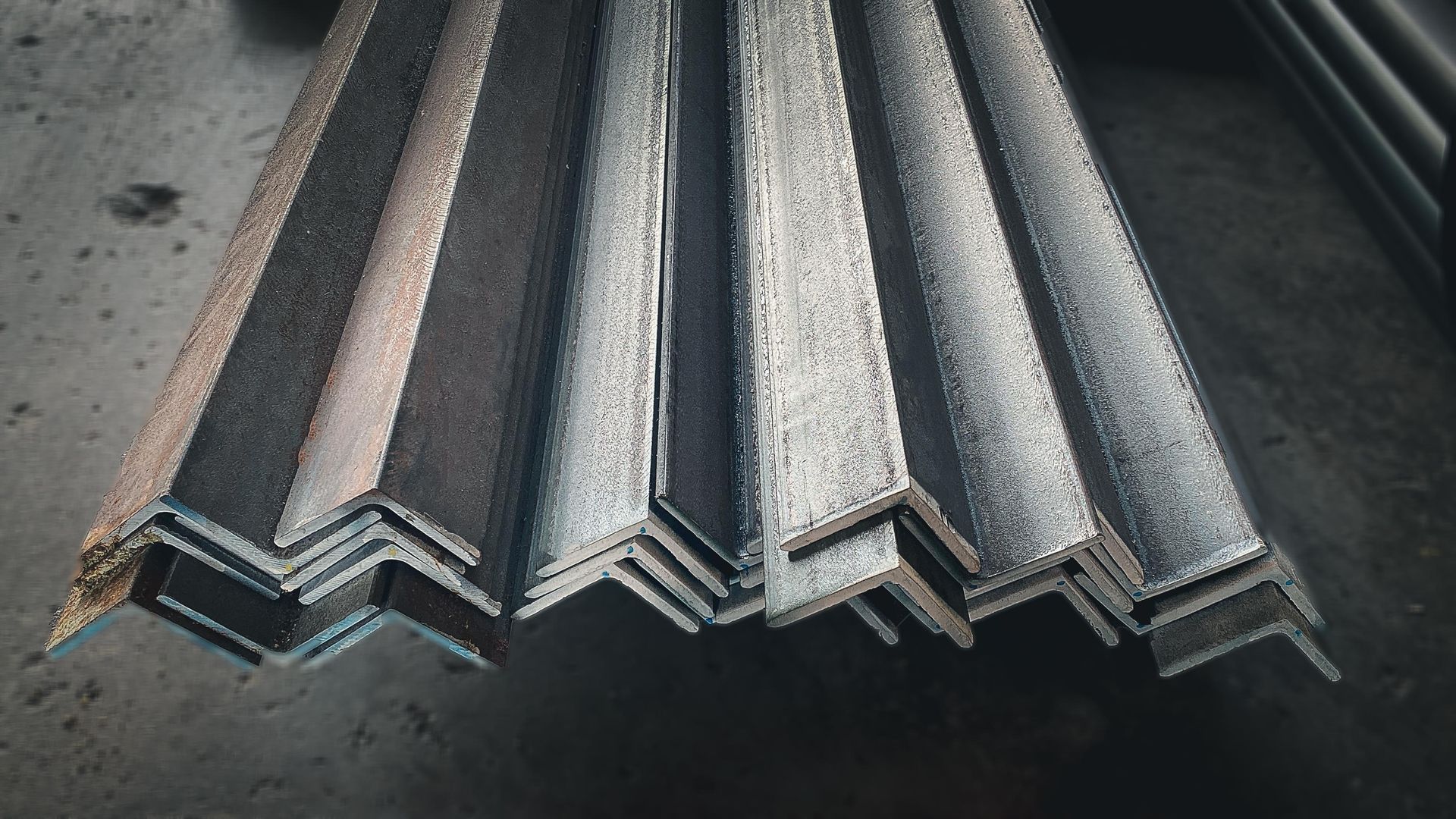
This service includes material selection guidance, procurement, and fabrication using carbon steel grades A36 and A572, stainless steel grades 304, 316, and specialty alloys, aluminum structural and sheet forms, galvanized steel, AR plate for abrasion resistance, alloy steels for high-temperature or high-strength applications, sheet metal in light and heavy gauge, and structural shapes including W-beams, channel, angle, tube, and pipe. Material is cut, formed, and welded to produce components that meet project specifications and pass material certification review.
Contact Cherokee Industrial Fabricators, LTD to confirm material availability and lead times for fabricated components in Lufkin.
How Material Grade Affects Fabrication and Performance
You specify material grade based on strength requirements, temperature exposure, corrosive environment, or abrasion from bulk solids, and the shop sources material with mill certifications that confirm chemistry and mechanical properties. Carbon steel such as A36 or A572 is used for general structural applications where strength and weldability are required but corrosion is controlled by coating or indoor placement. Stainless steel grades 304 and 316 resist oxidation and chemical attack in food processing, pharmaceutical, or outdoor applications where moisture and cleaning chemicals contact the metal surface.
Once fabrication is complete, you see parts that hold dimension, accept welding without cracking, and perform under load or environmental exposure without premature wear. Aluminum components weigh less and resist atmospheric corrosion but require different welding procedures and cannot be used in high-temperature applications. Galvanized steel arrives with a zinc coating that protects against rust in outdoor or humid environments, though the coating burns off during welding and must be touched up or reapplied after fabrication.
Abrasion-resistant plate such as AR400 or AR500 is specified for chutes, liners, and hoppers that handle abrasive bulk materials like sand, gravel, or ore. It resists wear but is harder to cut and weld than mild steel and requires preheat and controlled cooling to prevent cracking. Alloy steels are used in high-temperature piping, pressure vessels, or structural members that must maintain strength above 800 degrees Fahrenheit.
Questions About Material Selection and Availability
These questions address material grades, welding considerations, coating compatibility, and lead times that affect how fabricated components perform in service.
Cherokee Industrial Fabricators, LTD sources and fabricates components from multiple material grades for industrial clients in Lufkin who need parts that match service conditions and pass material certification review. Share your application requirements to confirm material options and procurement timelines.